Transgender
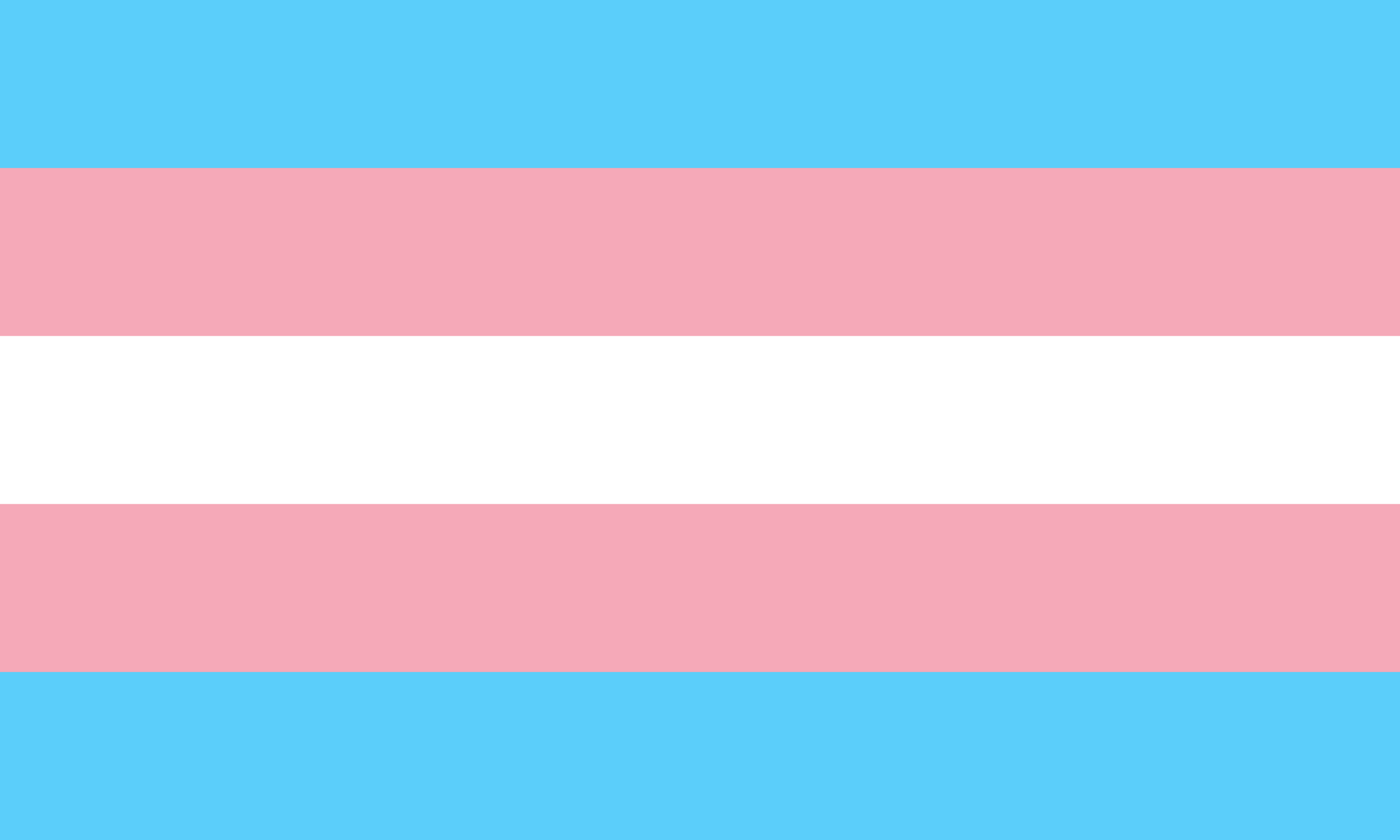
Transgender people are people whose gender identity is not the same as the sex they were given at birth.
What Does Transgender Mean?
Transgender, or trans, means someone’s gender is different from the sex they were given when they were born. For example, a person born a boy might grow up knowing they’re a girl. Some transgender people don’t feel fully male or female—they might call themselves non-binary, genderqueer, or use other words that feel right for them.Common misconceptions
What it means to be transgender can be misunderstood, and many myths and misinformation can spread. This section clears up some of the most common misconceptions, helping everyone learn and be supportive of trans people with respect and care.

Being Transgender is a choice
Transgender people don’t choose their gender identity – it’s part of who they are. Some people might know from a young age but feel unsafe expressing it at home, school, or in public. Living openly as transgender is about honesty and self-respect – not about changing who they are.

You have to have surgery or take hormones to be transgender
Many transgender people choose medical steps like hormones or surgery to help relieve gender dysphoria. Others are happy with just socially transitioning. This might include changing names, pronouns, or clothing. Every transgender person’s journey is different. What feels right for one person may not be needed by another.
It's just a phase
Being transgender is not a phase or a way to get attention. Many trans people know who they are from a young age, but it can take time—and courage—to come out. Some wait until they’re older, and others speak up early. Either way, their identity is real. Feeling “different” doesn’t mean someone is confused—it means they’re being honest about who they are.
Being Transgender is a mental illness
Being transgender is not a mental illness—it's a normal and valid part of human diversity.
While some transgender people may experience gender dysphoria, this is a separate condition—not the same as being transgender. The identity itself is not a disorder. What causes harm is often the way trans people are treated, not who they are.
If you'd like to learn more about gender dysphoria, click here.
Things to remember!

Knowledge's Hub is a platform dedicated to providing inclusive, reliable, and accessible information on LGBTQIA+ issues, helping to educate, support, and empower our community and allies.